
Child Airlifted After Being Struck on Old Winter Garden Road in Ocoee: Crash Reports, Medical Bills and Florida Law
Ocoee, Fla. · Published · By HOV Law
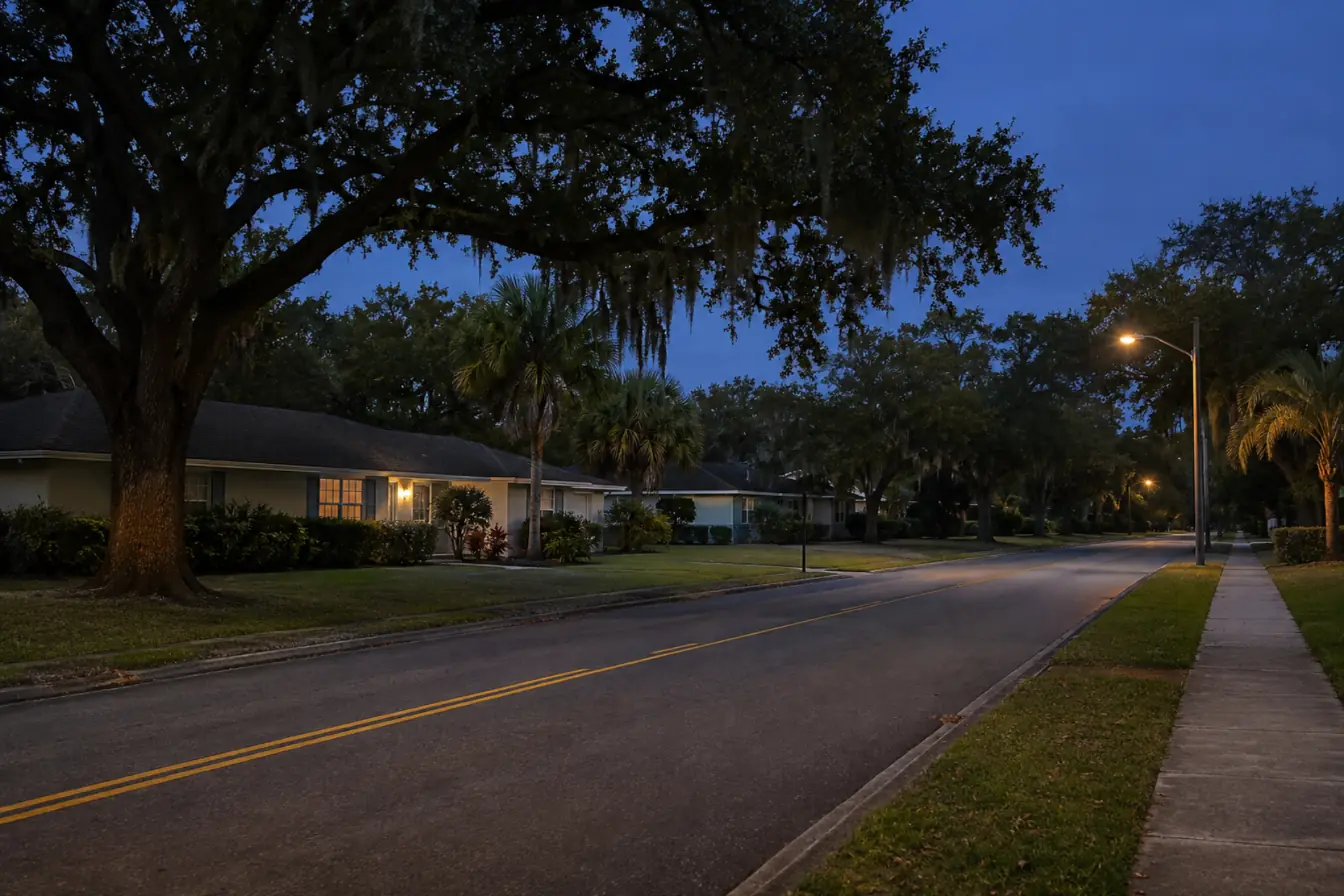
A child was struck by a car on Old Winter Garden Road in Ocoee on Monday evening, November 9, and was flown to a downtown Orlando trauma hospital, according to the Ocoee Police Department. Police have released very little so far. For a family in the first days after a crash like this, the questions tend to be practical ones: how to get the police report, who pays for an emergency flight and a hospital stay, and which traffic rules investigators will look at.
What Ocoee Police Have Reported
Officers were called around 7:45 p.m. to a vehicle-versus-pedestrian crash on Old Winter Garden Road near Blackwood Avenue, WFTV reported (opens in a new tab), citing Ocoee police. Police say a juvenile was hit while in the roadway. The child's age has not been released.
The two outlets describe the hospital trip a little differently. News 6 (opens in a new tab) reported that the child was airlifted to Arnold Palmer Hospital for Children. WFTV reported that the child was first taken to a local hospital and then airlifted to Orlando Regional Medical Center. The child's condition has not been reported.
Both outlets say the driver remained at the scene. Police said no further information was available, no charges or citations have been reported, and nothing about how the child came to be in the road has been made public. Nothing in this post is a statement about who caused the crash.
Getting the Crash Report
Because someone was hurt, Florida law requires a full written report. Under § 316.066(1)(a) (opens in a new tab), the investigating officer must complete a Florida Traffic Crash Report, Long Form, and submit it within 10 days after the investigation is completed for any crash involving death, personal injury or even a complaint of pain. The long form includes the location, the vehicles, the people involved and the names of witnesses.
Florida limits who can see those reports at first. Section 316.066(2)(a) keeps reports that identify the people involved confidential for 60 days after filing. Under § 316.066(2)(b), they can be released right away to the parties, their legal representatives, their insurance agents and their insurers. That means an injured child's family and its insurer can usually get the report early, while the public and other strangers to the crash cannot.
A report from a city police department such as Ocoee's is requested differently from one written by the Florida Highway Patrol. The Orlando crash report finder explains where to start for each agency in the Orlando area.
Paying for a Medical Flight and Trauma Care
The first source of payment after a pedestrian crash in Florida is usually personal injury protection. Section 627.736(1)(a) (opens in a new tab) pays 80 percent of reasonable expenses for medically necessary care and specifically names ambulance, hospital and nursing services. Under § 627.736(4)(e), a child who lives in a parent's household is generally covered by the parent's policy when hurt by physical contact with a motor vehicle while not in a vehicle, and the statute also reaches other people struck by an insured vehicle in some circumstances. Medical benefits depend on initial care within 14 days, and the overall limit is $10,000 for medical and disability benefits.
An emergency flight followed by a trauma admission can exceed that limit quickly, and health insurance usually picks up much of the rest. That is where a federal protection matters. According to the Centers for Medicare & Medicaid Services (opens in a new tab), the No Surprises Act, in effect since January 1, 2022, protects people with most types of health insurance from unexpected out-of-network bills for air ambulance services, as well as emergency room visits.
The PIP calculator estimates what the 80 percent rule pays on a given set of bills, and Florida no-fault PIP explained covers the rest of the system, including when a claim can go beyond PIP.
The Rules When a Pedestrian Is in the Road
Police have said only that the child was in the roadway, not where or why. Florida has rules for both sides of that situation. Section 316.130(10) (opens in a new tab) says a pedestrian crossing anywhere other than a marked crosswalk or an unmarked crosswalk at an intersection must yield the right-of-way to vehicles, and § 316.130(11) bars crossing between two adjacent signalized intersections except in a marked crosswalk.
Those rules sit alongside a duty that applies to every driver in every location. Section 316.130(15) requires drivers to exercise due care to avoid colliding with any pedestrian, to give warning when necessary, and to exercise proper precaution upon observing any child.
When both sets of rules are in play, Florida divides responsibility rather than assigning it all to one side. Under § 768.81(2) (opens in a new tab), an injured person's share of fault reduces their damages proportionately, and under § 768.81(6) a person found more than 50 percent at fault for their own harm recovers nothing in an ordinary negligence case. How any of this applies on Old Winter Garden Road depends on lighting, speed, sight lines and witness accounts that have not been released. The comparative negligence guide shows how the percentages work.
Steps for Parents After a Child Is Hit by a Car
- Request the crash report and note the case number police give you; as a party, you are entitled to it before the 60-day public window ends.
- Notify your own auto insurer about the PIP claim even though your child was walking, and confirm the 14-day initial-care requirement has been met.
- Keep every bill, explanation of benefits and transport invoice in one place, and question any balance bill for the flight.
- Photograph the area at the same time of evening within a few days: lighting, sidewalks and parked cars can change.
- Ask nearby homeowners about doorbell or security cameras before footage is overwritten.
- Avoid recorded statements to the driver's insurer until you understand your child's rights.
The guide on what to do after a pedestrian accident in Florida goes into more detail. The general deadline for a negligence claim is two years under § 95.11(5)(a) (opens in a new tab), and the statute of limitations calculator gives a date for a specific crash.
Questions Families Ask After a Child Pedestrian Crash
When can a family get the police report after a child is hit by a car in Florida?
Right away, in most cases. Under Fla. Stat. § 316.066(2)(a), crash reports that identify the people involved are confidential for 60 days after the report is filed. Section 316.066(2)(b) lets agencies release them immediately to the parties involved, their legal representatives, their insurance agents and their insurers. A parent requesting a report for an injured child generally falls within that group, while the general public waits out the 60 days.
Is a police report written for every crash where someone is hurt?
For crashes the officer investigates, yes. Section 316.066(1)(a) requires a Florida Traffic Crash Report, Long Form, within 10 days after the investigation is completed whenever a crash results in death, personal injury or any complaint of pain or discomfort. The long form lists witnesses and the vehicles involved, which is why it is usually the first document a family and its insurer ask for.
Does Florida PIP pay for an ambulance or a medical helicopter?
PIP medical benefits under § 627.736(1)(a) pay 80 percent of reasonable expenses for medically necessary services, and the statute lists medically necessary ambulance, hospital and nursing services among them. Benefits are capped at $10,000 for medical and disability combined and depend on initial care within 14 days. An air transport and a trauma admission can use up that limit quickly, so families should expect other coverage to be involved as well.
Can a family receive a surprise bill for an air ambulance?
The federal No Surprises Act, in effect since January 1, 2022, protects people with most types of health insurance from unexpected out-of-network bills for air ambulance services, according to the Centers for Medicare & Medicaid Services. It is a health-insurance protection, so it matters when a family's health plan pays part of the bill. Keep every statement and explanation of benefits and question any balance bill.
What are the rules for a pedestrian who is in the road outside a crosswalk?
Section 316.130(10) says a pedestrian crossing anywhere other than a marked crosswalk or an unmarked crosswalk at an intersection must yield the right-of-way to vehicles. Section 316.130(15) separately requires every driver to use due care to avoid any pedestrian and to take proper precaution on seeing a child. Neither rule decides a case alone; under § 768.81 fault is divided according to the evidence.
How long does a family have to bring an injury claim for a child in Florida?
The general deadline for a negligence claim is two years under § 95.11(5)(a). Because settlements for minors carry extra court and guardianship rules, families should speak with a Florida personal injury lawyer well before that date rather than near it.
Sources
- News 6 / ClickOrlando — Juvenile airlifted after Ocoee crash (opens in a new tab)
- WFTV 9 — Juvenile injured in Ocoee car crash on Old Winter Garden Road (opens in a new tab)
- Fla. Stat. § 316.066 (2026) — Written reports of crashes (opens in a new tab)
- Fla. Stat. § 316.130 (2026) — Pedestrians; traffic regulations (opens in a new tab)
- Fla. Stat. § 627.736 (2026) — Required personal injury protection benefits (opens in a new tab)
- Fla. Stat. § 768.81 (2026) — Comparative fault (opens in a new tab)
- Fla. Stat. § 95.11 (2026) — Limitations other than for real property (opens in a new tab)
- CMS — Medical bill rights and the No Surprises Act (opens in a new tab)
This post summarizes news reports and is general information about Florida law, not legal advice. Reading it does not create an attorney-client relationship. HOV Law does not represent anyone involved in this crash, and nothing here is a statement about fault or liability.
Was Your Child Hurt by a Driver in Central Florida?
If you've been hurt in a similar incident in Central Florida, speak with a Florida personal injury lawyer about your options. Consultations are free.